
Loud sounds…
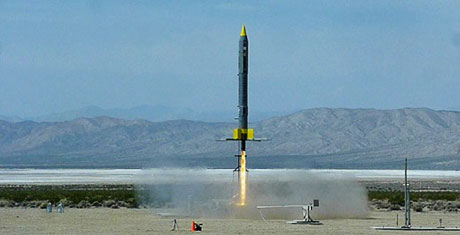 Recording the Interorbital CPM-TV launch. The twenty-four foot tall rocket was recorded on 18 channels utilizing multiple microphone positions and techniques. (Photo: Interorbital Systems)
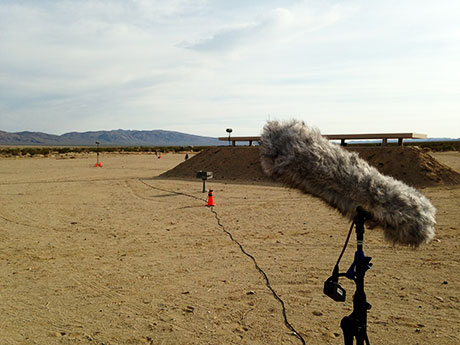 Neumann 82i, Schoeps DMS, Neumann/Schoeps MS, AT 4080 Blumlein ribbons, Schoeps Omnis, Neumann TLM 103. (Photo: Hamilton Sterling)
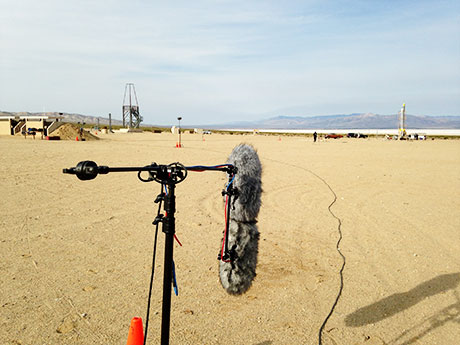 The AT4080 Blumlein ribbon pair for surrounds placement. (Photo: Hamilton Sterling)
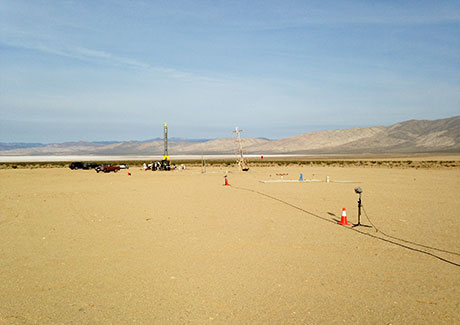 Sennheiser 421, stereo Beyer dynamics, stereo SM57s on a remote rig near the pad. (Photo: Hamilton Sterling)
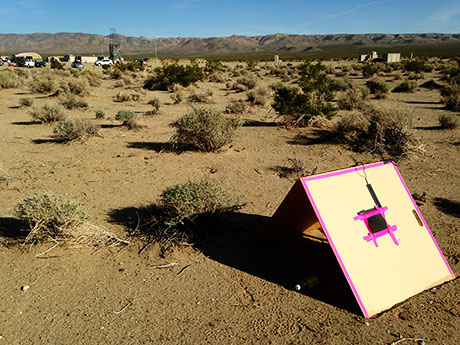 Downrange stereo PZMs on a remote recorder. Each microphone provided a unique quality. Multiple combinations provide many possibilities, from close-up fast lift-off to extended low end travel. (Photo: Hamilton Sterling)
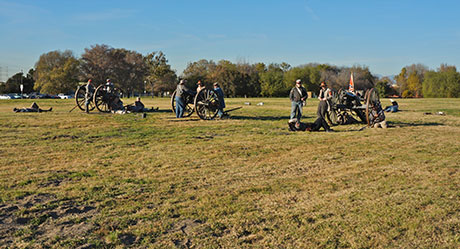 Three of six canons I recorded for Christopher Guest's Family Tree. Recorded with Schoeps 5.0 DMS, Schoeps stereo Omnis, Beyer dynamics, and an AKG D112 for the sub. The "battle" took place over two hundred yards of distance, so the various mics worked well to capture different frequencies in time. Some takes and tracks were time-aligned, while others were left as recorded for effect. (Photo: CJ Vanston)
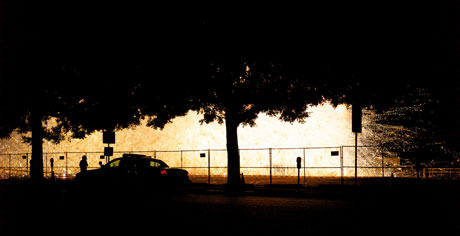 40,000 rockets exploding on the north wall of MOCA. Recorded in 5.0. (Photo: Cris Lombardi)
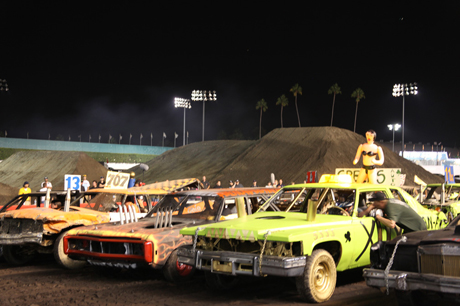 The start of a Demolition Derby race; thirteen microphones and four recorders were placed around the arena, with three additional recorders secured within two cars. The set-up included: DMS Schoeps, Omni Schoeps, Neumann 191, Neumann 82I on a roving boom, and many SM57s both outside and inside the cars. These creations have no mufflers (for safety reasons) and the exhaust fires straight out of a hole near the engine. The cars are amazingly loud. (Photo: Michael Dressel)
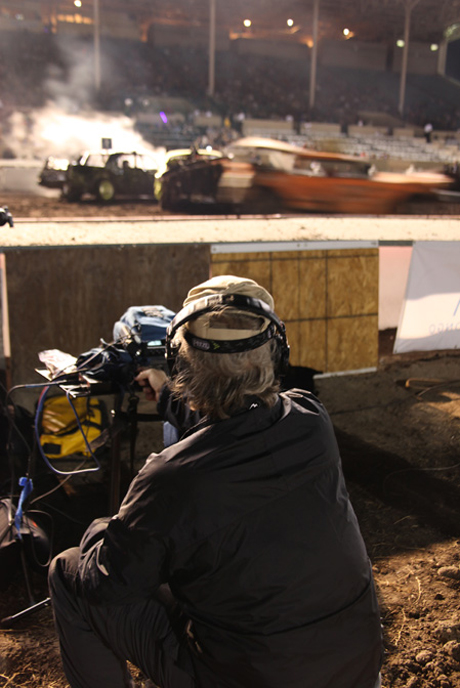 Much flying debris exited the pit. Fortunately, no flying rods. (Photo: Michael Dressel)
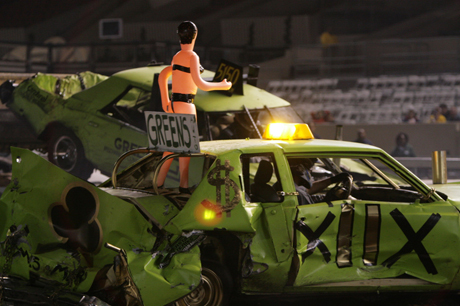 The relics of our manufacturing past now used in self-destructing spectacle. (Photo: Michael Dressel)
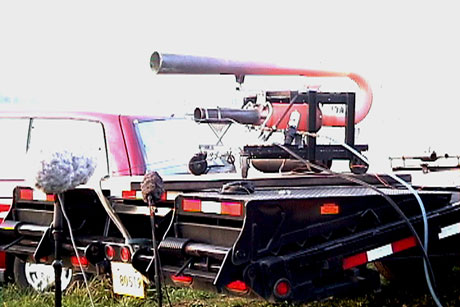 Recording a red-hot blast-wave jet; the loudest, most aggressive sound I’ve ever heard. Used as a missile design element in War of the Worlds. (Video still: Hamilton Sterling)
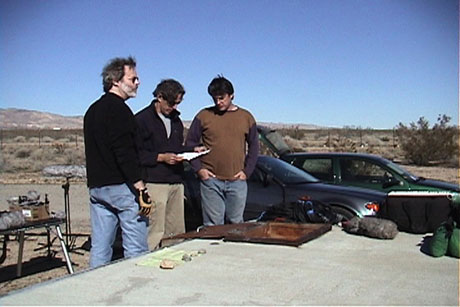 In the Mojave Desert with John Fasal and Eric Potter recording two firings of a liquid-fueled rocket engine and solid-fueled engine designed and built by Interorbital Systems. Used as missile elements in War of the Worlds.
(Video still: Charlie Campagnia)
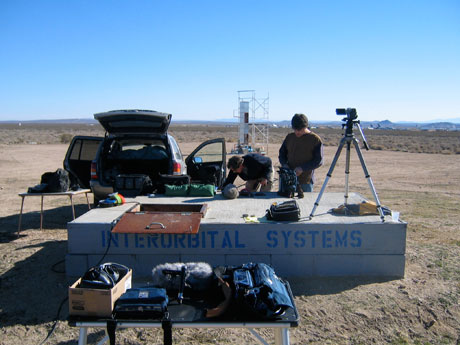 The recording bunker: colleagues John Fasal, Eric Potter, Charlie Campangia, the rocket crew, and I all shared the space. Some fourteen microphones were used. Remote recorders were placed one-half mile away to capture low-end frequencies. (Photo: Hamilton Sterling)
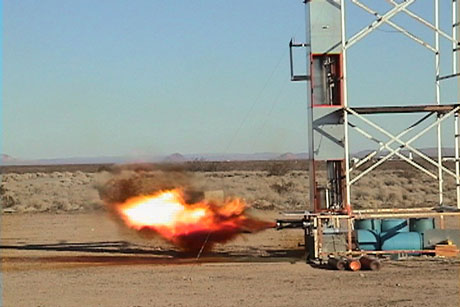 Liquid-fueled rocket ignition. First burn. (Video still: Charlie Campagnia)
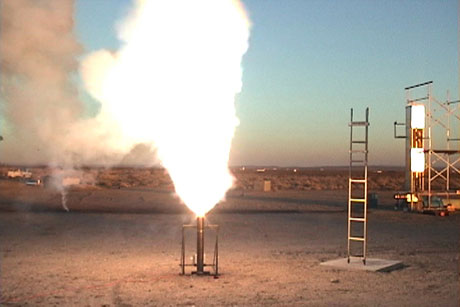 Solid fueled rocket. (Video still: Charlie Campagnia)
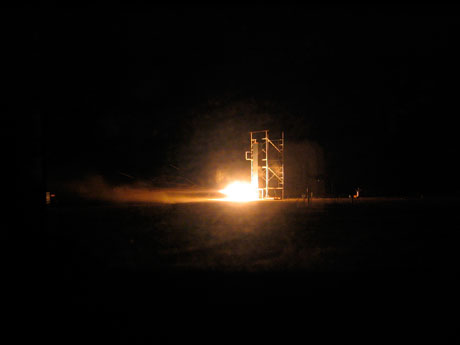 Liquid fueled rocket. Second burn. (Photo: Hamilton Sterling)
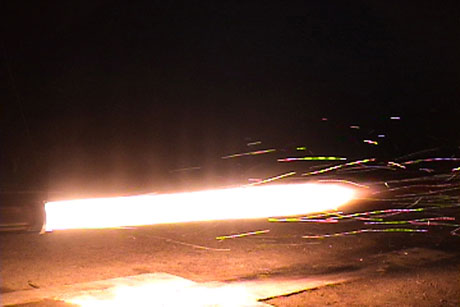 Close-up burn. (Video still)
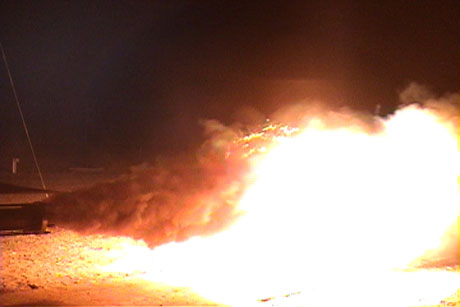 End of burn. (Video still)
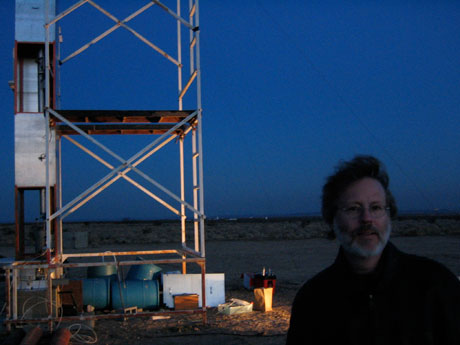 Dusk in the Mojave. (Photo: Eric Potter)
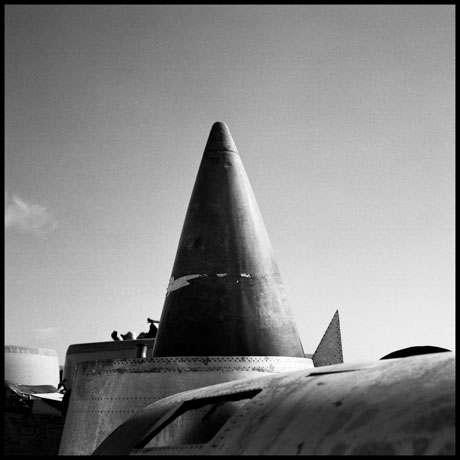 Recording impacts and rattles at an airplane graveyard in the Mohave dessert. (Photo: Cris Lombardi)
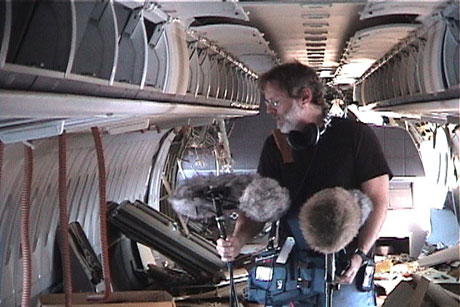 Hamilton Sterling recording wing impacts in a de-commissioned plane. (Video still: Cris Lombardi)
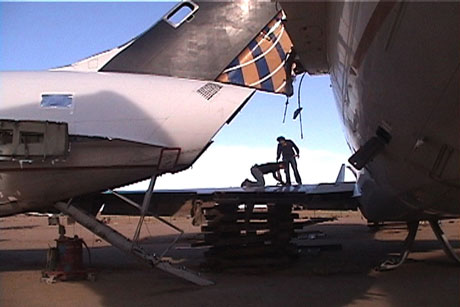 (Video still: Cris Lombardi)
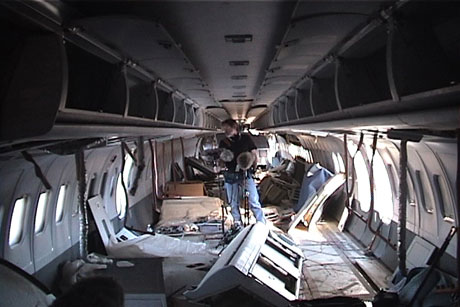 (Video still: Cris Lombardi)
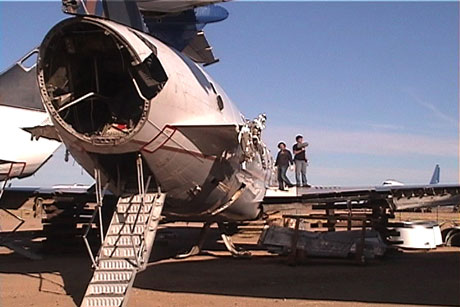 (Video still: Cris Lombardi)
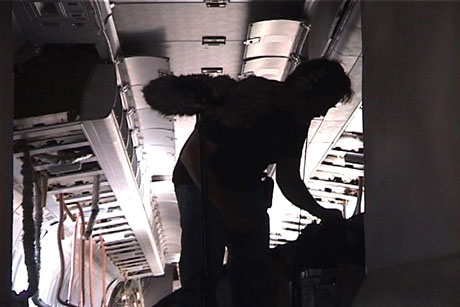 (Video still: Cris Lombardi)
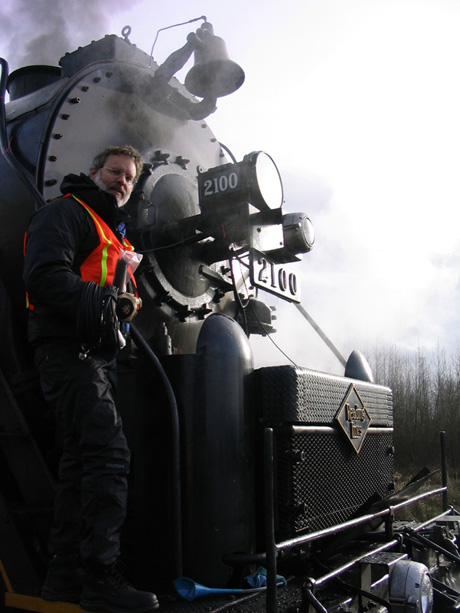 Recording the 1942 steam train for The Assassination of Jesse James by the Coward Robert Ford. (Photo: Eric Potter)
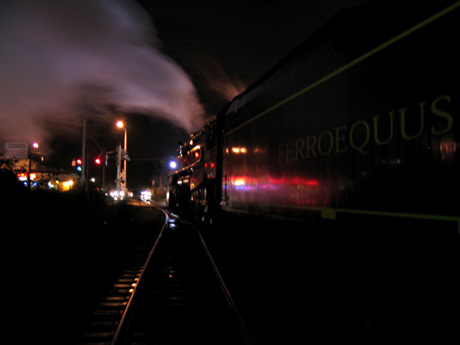 Where the hell are we going at 3:00AM? Nobody knows. (Photo: Hamilton Sterling)
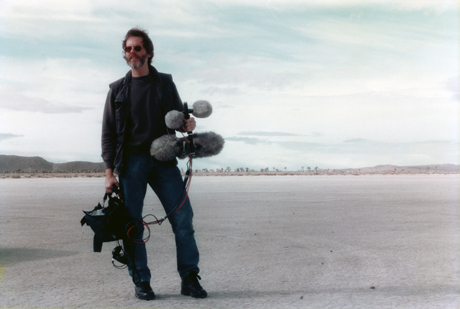 Recording the jet engine for Men In Black — dual hand-held microphones with condensers and dynamics.
(Photo: Rodger Pardee)
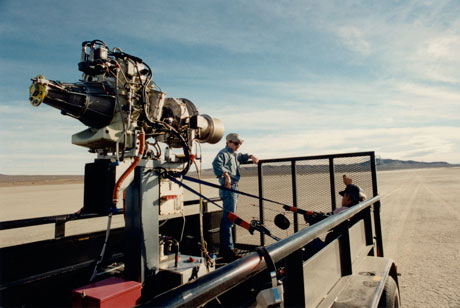 Colleague Rodger Pardee eyeing the thruster of a Titan jet engine for Men In Black. (Photo: Hamilton Sterling)
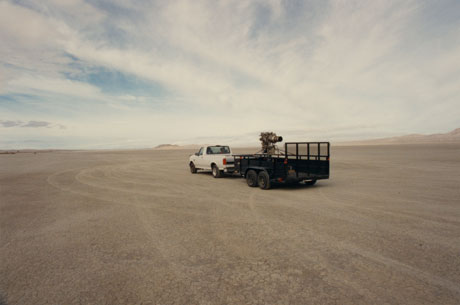 Towing the Titan. A jet engine recorded under controlled conditions. (Photo: Hamilton Sterling)
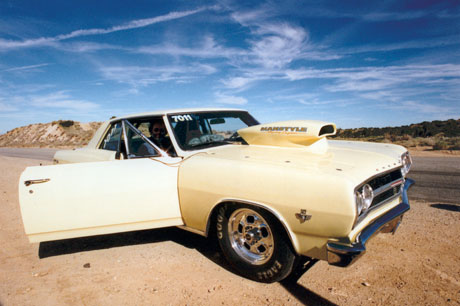 A 1000HP car recorded for Men In Black — mic on the engine, mic on the tailpipe, stereo interior, two DAT machines — the standard car-recording technique for 1997. (Photo: Rodger Pardee)
Recording location ambience in 5.0
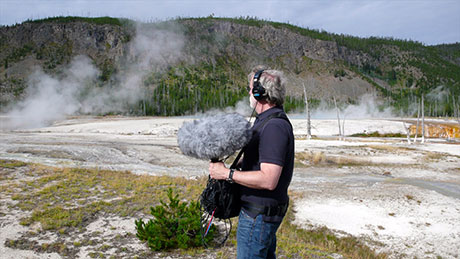 Recording fumeroles, geysers, and mud pots in 5.0 at Yellowstone National Park. Great raw material for designing many interesting sounds. A boom pole (not pictured) was a necessary addition to my kit. (Photo: Donna Gregory)
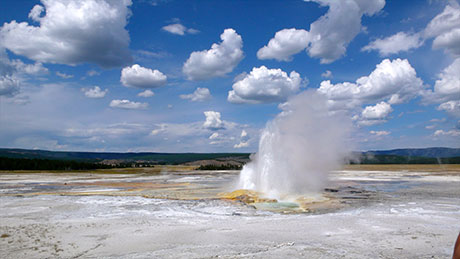 Porcelain geyser looking good and sounding excellent. Yellowstone National Park. (Photo: Hamilton Sterling)
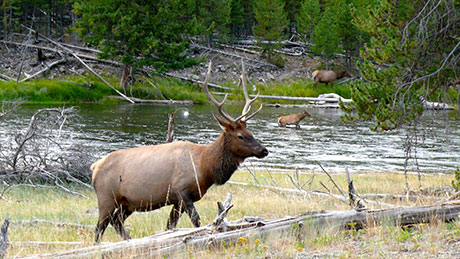 Serene elk out for a mid-day meal. Quiet and beautiful. Yellowstone National Park. (Photo: Hamilton Sterling)
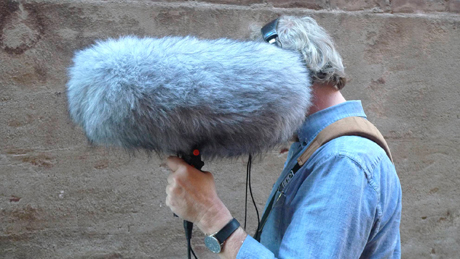 My Schoeps DMS (double MS) set-up; Schoeps microphones provide a free RTAS plug-in that decodes the three DMS channels to 5.0. The plug-in also compensates for the low frequency cutoff of the figure 8 capsule, making a lush recording even in stereo MS. (Photo: Cris Lombardi)
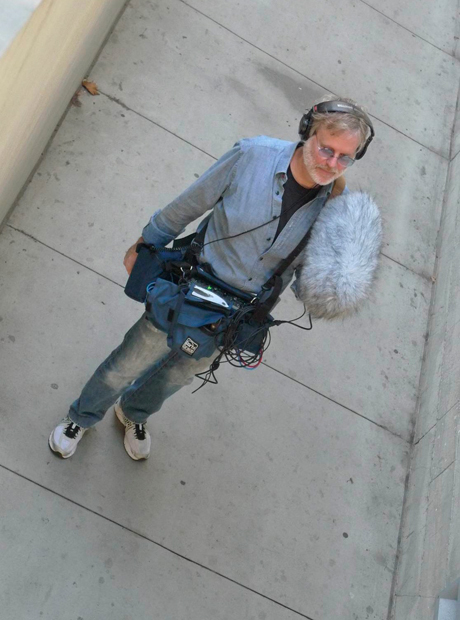 My set-up is a forward facing hypercardioid, figure 8 for the side, and backward facing hypercardioid on a Colette cable. (Photo: Cris Lombardi)
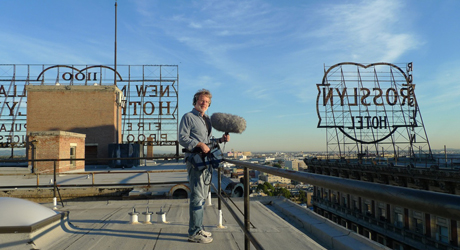 An old haunt for both my independent film, and a new 5.0 city recording. (Photo: Cris Lombardi)
Working on the sound for the film, Morning
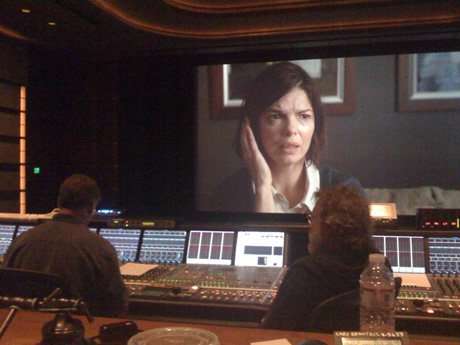 Jeanne Tripplehorn (on screen), Paul Massey, and Hamilton Sterling at work on Morning.
(Photo: Leland Orser)
Jeanne Tripplehorn (on screen), Paul Massey, and Hamilton Sterling at work on Morning.
(Photo: Leland Orser)
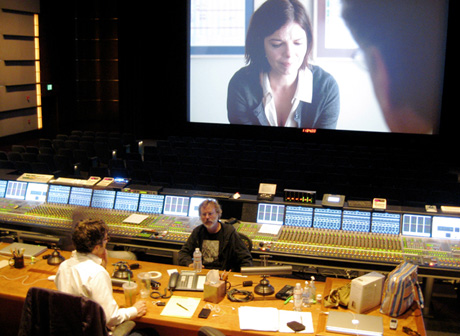 Leland Orser, Jeanne Tripplehorn (on screen), and Hamilton Sterling in the Cary Grant Stage at Sony Pictures. (Photo: Rita DaSilva)
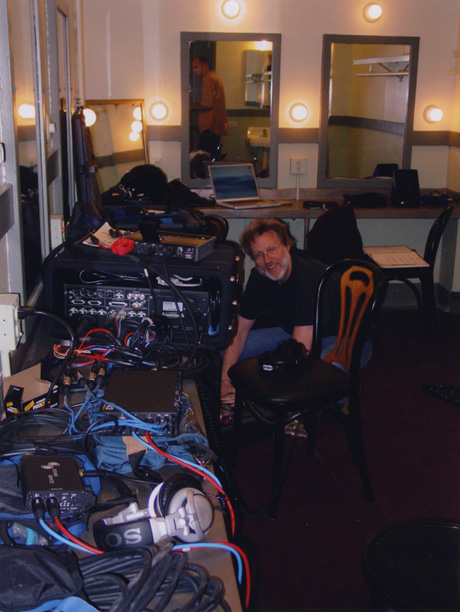
Recording playback in a dressing room in the
1920’s Orpheum Theater in Los Angeles.
 Re-recording playback for Christopher Guest’s film, A Mighty Wind. Fer Bos in the background, a fellow bass player and music editor. (Photo: Todd Harris)
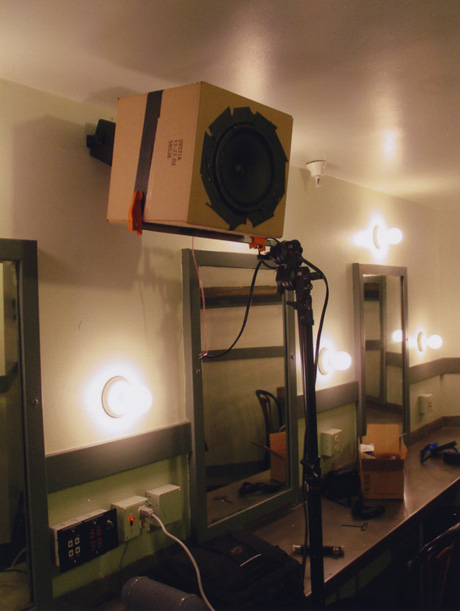 The “perfect” bad speaker created to re-record playback in a dressing room on A Mighty Wind. Even though there are wonderful IR based reverb programs that can define an auditory space, this technique of “worldizing” produces the most believable results. We also blasted music from a bass amp a corridor away. (Photo: Todd Harris)
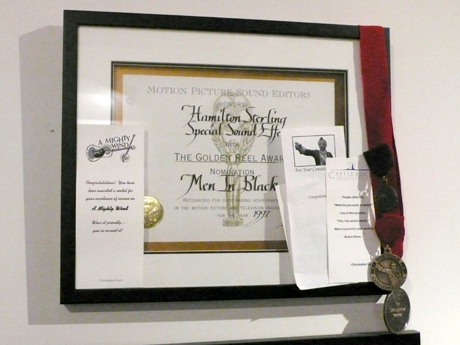 Medals of honor received from Christopher Guest for the four films I’ve done with him. I proudly wear them at formal dinners. When I attend formal dinners.
A thirty-mile recording expedition on the High Sierra Trail.
John Muir said, “It is a quiet place only to the impatient.”
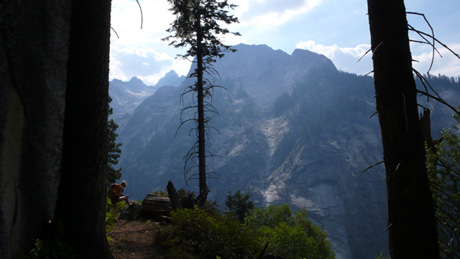 The High Sierra trail. (Photo: Hamilton Sterling)
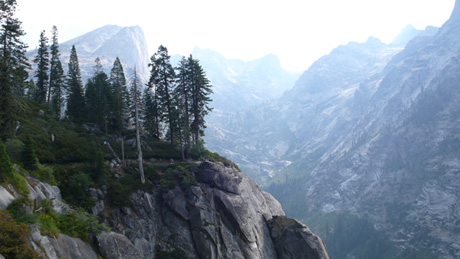 The High Sierra trail. (Photo: Hamilton Sterling)
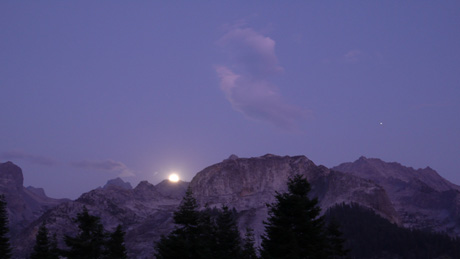 The Moon and Jupiter rise above the High Sierra trail. (Photo: Hamilton Sterling)
Sound before digital…
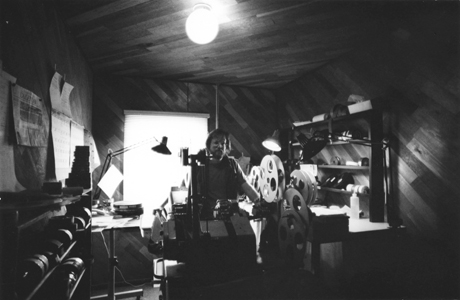 Sound editing Awakenings on a “double-headed” Moviola — duplicate of the picture on reels to the left, sound cutting head in the center, 1:1 copy of the worktrack on reels to the right. The sound material is in rolls on the rack at far left, ca 1990.
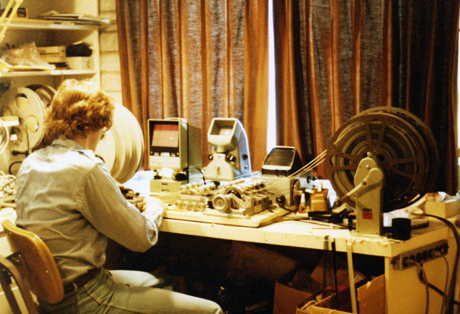 Editing the soundtrack of an early film, Generations, on a motorized 16mm synchronizer. The picture and master-reversal were assembled on the same apparatus, ca 1979.
All music © and ℗ 2013 by Hamilton Sterling, Helikon Sound, BMI and Jimmy Haslip, LaViera Music, BMI. All rights reserved.
Web design and development by Greene Design.